The fastest way to get me interested in something is to tell me,“This is the way we’ve always done it.”“There’s no way to make this better” works, too.

Diana surrounded by handwritten notes about family, creativity, and learning.

Who’s making it work, and what’s it costing them?

Show me where a decision gets stuck. Who has the authority to make the call? And who’s quietly doing extra work so everything keeps moving? That's usually who I want to talk to first.

I've spent much of my career working inside complex organizations, figuring out what needs to change when the way things have always worked stops working.

Read the full story

Sometimes that has meant bringing fragmented teams and priorities together. Other times, it's meant rethinking how people learn, how leaders make decisions, who owns the results, or how technology can change what's possible. I've led teams through multiple redesigns, each shaped by a different set of challenges. I'm always thinking about what comes next, and how to build something that can adapt without losing the knowledge, progress, and purpose that got us here.

I ran into a version of that question while working with a school's parent committee to make after-school clubs easier to run. If a parent asked whether a club was ready to open, could the next coordinator answer without calling the person who ran it last term? I built a shared hub where families could see what their kids could join, and volunteers could see what was ready, where help was needed, and what had already been decided.

Different scale. Same instinct. Make the work easier to do, and less dependent on the person who happens to know how everything works.

I like hard problems, especially the ones that don't have an obvious answer. And I like people who'll say, “This part isn't working,” then pull up a chair because they want to help figure it out.

I'm a realistic optimist. I want to see the problem for what it is, not what we wish it were. But I also believe there's usually a better way, and that the people closest to the work often know where to start.
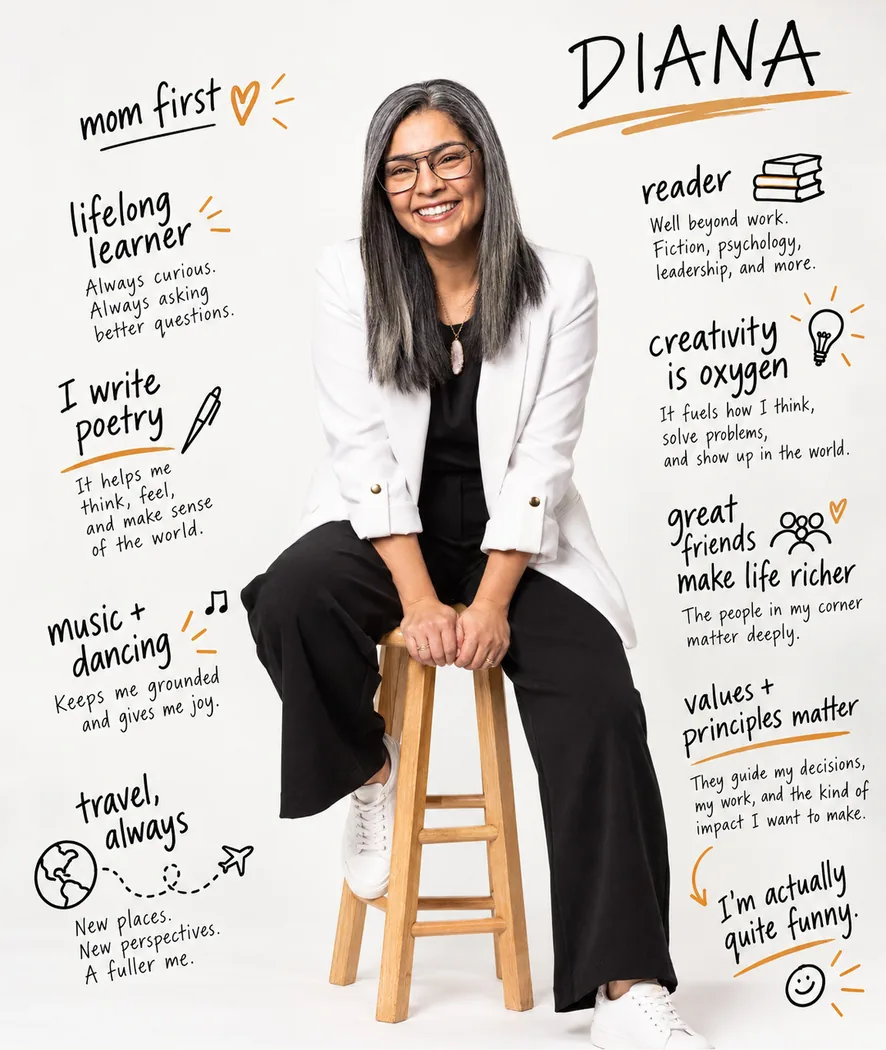
When I'm not pulling things apart to see how they could work better, I'm usually reading, traveling, meditating, or tinkering with AI. I'm also about to start coaching kids as they turn their own ideas into businesses.

See my career history on LinkedIn

What I Believe

I believe people deserve dignity. The systems that shape their lives should be fair and understandable. And when those systems fall short, we should have the courage to change them.

We ask people to be resilient all the time. I want us to question what they're being asked to endure, and why we've come to accept those conditions as inevitable.

To me, hope is a radical act. It means seeing reality for what it is, without accepting that things must stay as they are. It asks us to imagine something better and consider what we're willing to do to make it possible.